The Dog Park Is So 2019: Here's How Smart Pet Parents Are Socializing Their Dogs Now
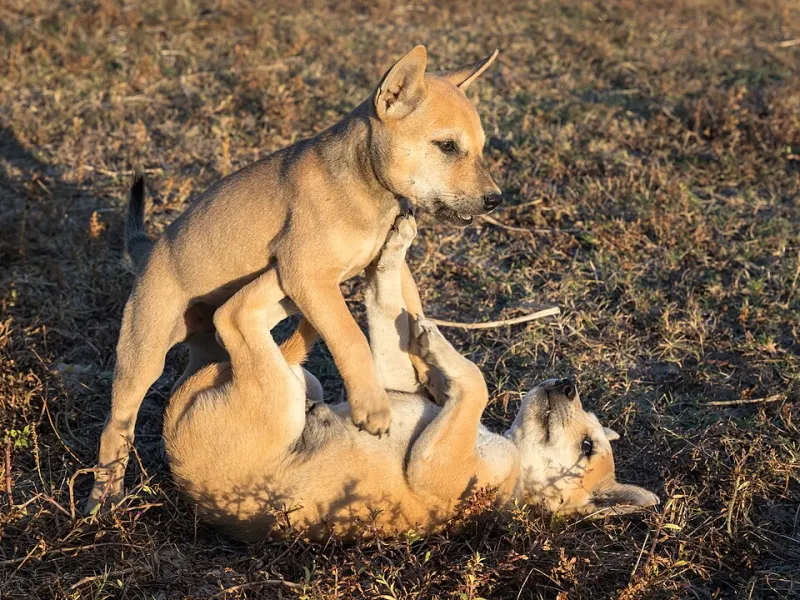
Photo: Basile Morin, CC BY-SA 4.0, via Wikimedia Commons
Let's paint a picture. You've got your coffee. Your dog has their brand-new harness. You roll up to the local dog park on a sunny Saturday morning, full of optimism and good intentions. Within four minutes, some unneutered Lab has body-slammed your dog into the fence, a mystery illness is brewing in the water bowl, and you're having an increasingly tense conversation with a stranger whose dog will not stop resource-guarding the entire park.
You're home by 9:15 AM, questioning all of your choices.
If this scene feels uncomfortably familiar, you are not alone — and you are not wrong for having second thoughts. Across the US, a growing number of dog owners are quietly stepping back from the traditional dog park model. Not because they don't care about socialization (they care deeply), but because they've started asking a reasonable question: Is this actually working?
The Dog Park Dream vs. The Dog Park Reality
The concept of the off-leash dog park has always been appealing in theory. Dogs get to run. Owners get a community. Everyone goes home tired and happy. And sometimes — genuinely, beautifully — that's exactly what happens.
But the model has some structural problems that have become harder to ignore as dog ownership in America has skyrocketed. The American Pet Products Association estimates there are now around 90 million pet dogs in the US, and a lot of them are being funneled into the same finite patch of fenced-in grass.
The aggression problem is real. Dog parks operate on an opt-in, honor-system basis. There's no screening, no temperament test, no verification that the dog barreling toward yours has any history of playing well with others. For dogs that are reactive, anxious, or simply overwhelmed by chaotic environments, the dog park isn't socialization — it's exposure therapy gone wrong.
The health concerns aren't overblown either. Canine illnesses like kennel cough, parvovirus, giardia, and canine influenza spread efficiently in shared spaces where dogs are drinking from communal water sources, sniffing each other intensely, and rolling in whatever the previous visitor left behind. Veterinarians have long cautioned that dog parks are high-transmission environments, and that's a calculation every owner has to make for themselves.
Then there's the social dynamic problem — and this one doesn't get talked about enough. Dog parks can actually worsen behavior in certain dogs. A dog that gets regularly overwhelmed, bullied, or overstimulated at the park may become more reactive over time, not less. "Socialization" that creates negative experiences isn't socialization — it's trauma with a fun backdrop.
So What Are Dog-Forward Americans Doing Instead?
The good news: the decline of the dog park has coincided with a genuine explosion of creativity in how American pet owners are approaching their dogs' social lives. Here's what's actually working in 2024.
Structured Small-Group Playdates
Instead of the free-for-all of a public dog park, many owners are arranging intentional playdates between three to five dogs whose temperaments they already know are compatible. Think of it as a dinner party for dogs — curated, controlled, and infinitely more enjoyable for everyone involved.
The key word is structured. These aren't just "drop the dogs in a yard and hope for the best" situations. Owners stay engaged, watch for stress signals, and give dogs the option to take breaks. The result? More genuine, positive interactions and a much lower chance of someone going home traumatized.
Facebook Groups, Nextdoor, and apps like Bark Happy have made it easier than ever to connect with local dog owners and vet potential playdate partners before committing.
Breed-Specific and Size-Specific Meetups
One of the underrated advantages of living in 2024 is that there is a niche community for literally everything, including your very specific type of dog. Breed clubs, breed-specific Facebook groups, and Meetup.com events for everything from Golden Retriever owners to Frenchie fanatics are thriving across the country.
These gatherings work well for a few reasons. Dogs of similar size and play style tend to communicate more effectively with each other (a Great Dane playing "gently" is still terrifying to a Chihuahua). And breed-specific communities often attract owners who are deeply invested in their dogs' wellbeing, which raises the overall quality of the social environment.
Sniff Walks and Enrichment Outings
Here's a perspective shift that's gaining serious traction among dog trainers and behaviorists: your dog doesn't actually need to play with other dogs to be well-socialized. What they need is safe, positive exposure to the world.
A "sniff walk" — a leisurely, dog-led walk where your pup gets to stop and investigate every single interesting smell for as long as they want — is genuinely enriching in a way that a chaotic dog park often isn't. Add in outings to dog-friendly patios, pet supply stores, farmers markets, and hiking trails, and you're building a confident, well-adjusted dog without a single off-leash stranger in sight.
Training Classes as Social Infrastructure
Group obedience classes and agility courses have emerged as one of the most underrated socialization tools available to American dog owners. The structure is built in. A qualified trainer is present. Dogs learn to be calm and focused around other dogs rather than wild and overstimulated.
Many training facilities now offer "open play" sessions that function like a supervised, screened version of a dog park — with temperament assessments, size separation, and a trainer monitoring the whole situation. It costs more than a free city park, but the value proposition is hard to argue with.
Doggy Daycare (The Good Kind)
Not all doggy daycares are created equal, and savvy owners have gotten much better at vetting them. The best facilities do temperament evaluations before admission, keep group sizes manageable, separate dogs by size and play style, and have trained staff who actually understand canine body language. For social dogs who genuinely love other dogs, a well-run daycare can be genuinely wonderful.
The key is doing your homework: tour the facility, watch how staff interact with the dogs, ask about their evaluation process, and trust your gut.
Is the Dog Park Dead?
Not entirely — and for the right dog with the right owner, it can still be a great option. If your dog is genuinely social, not reactive, up to date on vaccines, and you're a vigilant, engaged owner who knows how to read canine body language (we have a guide for that, by the way), the dog park can absolutely be part of a healthy social life.
But the era of the dog park as the default answer to socialization? That's fading. And what's replacing it is actually more thoughtful, more tailored, and — let's be honest — more interesting than a fenced rectangle of mulch ever was.
Your dog deserves a social life that actually fits who they are. In 2024, you've never had more options to make that happen.