Bark to Basics: Cracking the Secret Code Your Dog Has Been Sending You All Along
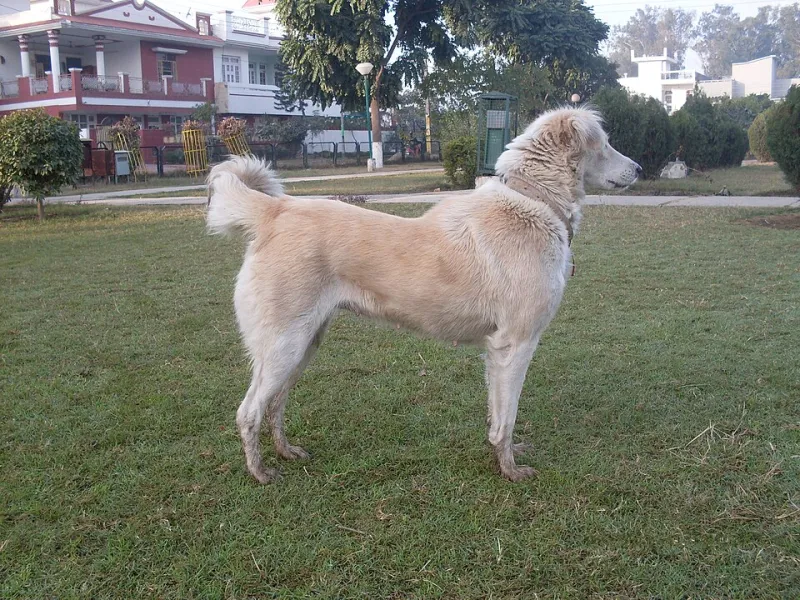
Photo: Gopal1035, CC BY 2.5, via Wikimedia Commons
Your dog has been trying to tell you something. Probably for years. And while you've been busy interpreting every tail wag as "I love you unconditionally and you are the greatest human alive," your pup has been sending you nuanced, layered messages that would make a therapist weep with envy.
Here's the truth: dogs are masterful communicators. They just don't use words. Instead, they've developed an entire physical vocabulary — a full-body sign language that covers everything from "I am so happy I might actually combust" to "I am deeply uncomfortable with this situation and I need you to notice right now." The good news? Once you learn the basics, you'll never look at your dog the same way again. The slightly humbling news? You've probably been misreading them for years.
Welcome to your official Woof Signs field guide to canine body language. Grab a treat (for your dog, obviously — though no judgment if you grab one too).
The Tail: Nature's Most Expressive Weather Vane
Let's start with the big one, because everybody thinks they've got this one figured out. Tail wagging means happy dog, right? Mostly right. But the full picture is a lot more interesting.
According to veterinary behaviorists, the direction of a tail wag actually carries meaning. Studies have found that dogs tend to wag more to the right when they encounter something positive — like their favorite person walking through the door — and more to the left when they're anxious or uncertain. Your dog's tail is basically a compass pointing toward their emotional state.
Then there's the speed and position to consider:
- High and fast (the helicopter wag): Pure, unfiltered joy. This is your dog's equivalent of jumping up and down screaming "YOU'RE HOME! YOU'RE HOME! THIS IS THE BEST DAY OF MY ENTIRE LIFE!"
- Low and slow: Uncertainty or submission. This dog is saying "I'm not sure about this situation, but I'm trying to be cool about it."
- Stiff and held high, barely moving: Caution. This is not a happy wag — this is a "I am assessing the threat level" wag. Think of it like your dog putting on their reading glasses to get a better look at something suspicious.
- Tucked between the legs: Fear or extreme stress. When you see this, your dog needs reassurance, not a photo op.
Ear Position: The Mood Antennae
Dog ears are like tiny satellite dishes constantly scanning for emotional signals — both sending and receiving. The tricky part is that ear anatomy varies wildly between breeds. A German Shepherd's radar-dish ears communicate very differently than a Basset Hound's velvet curtains. But the principles hold across the board.
Ears forward and alert signal focus and curiosity. Your dog has locked onto something interesting — could be a squirrel, could be the crinkle of a chip bag from three rooms away. Either way, they are locked in.
Ears relaxed or slightly back in a neutral position usually indicates a calm, content dog. This is your dog in their "just vibing" mode.
Ears pinned flat against the head is a significant signal. Combined with other stress indicators, this can mean fear, anxiety, or submission. If you see this at the vet's office, your dog is not enjoying themselves. (Shocking, we know.)
One ear forward, one back? Your dog is genuinely conflicted. Relatable, honestly.
Eyes: The Windows to Your Dog's Very Dramatic Soul
Human beings make a lot of eye contact. Dogs, in their natural social world, actually view prolonged direct eye contact as a challenge or a threat. So when your dog holds a soft, relaxed gaze with you and maybe even gives you a slow blink? That's not just staring — that's love.
The shape of your dog's eyes tells a story too:
- Soft, almond-shaped eyes = relaxed and comfortable. All is well in the kingdom.
- Wide eyes showing whites (the "whale eye") = stress or discomfort. If you can see a crescent of white around your dog's iris, something has them on edge. Back off, redirect, or remove the stressor.
- Hard, unblinking stare = intense focus or a warning. This is not the time to push things.
Posture: The Full-Body Broadcast
If tail, ears, and eyes are individual instruments, posture is the whole orchestra playing at once. A dog's overall body position is often the clearest signal of all.
The Play Bow — front end down, rear end up, tail wagging — is one of the most universally recognized signals in the dog world. It's an invitation. It means "Everything I do next is a game, okay? Please don't take it seriously." It's basically a dog's way of putting "lol jk" at the end of every sentence during play.
Standing tall with weight forward communicates confidence — and sometimes, a challenge. A dog leaning into a situation is a dog that wants to control it.
Crouching low or rolling onto their back signals submission or, in a safe context, an invitation for belly rubs. Context matters enormously here. A dog rolling over during play is having a blast. A dog doing it while trembling is shutting down.
The "Lean" — when your dog just casually presses their entire body weight against your leg — is one of the most wholesome signals in the canon. It means: I choose you. You are my person. Please don't move.
Putting It All Together: Reading the Whole Dog
Here's where most people get tripped up: reading one signal in isolation. Body language is a package deal. A wagging tail attached to a stiff body, hard eyes, and pinned-back ears is not a happy dog — it's a dog sending a very mixed, potentially dangerous message.
The key is to read clusters of signals together. Happy dog? Look for loose, wiggly body, soft eyes, relaxed ears, and that glorious helicopter tail. Stressed dog? Watch for yawning (yes, yawning is a stress signal), lip licking, whale eye, tucked tail, and a generally stiff posture.
Once you start reading your dog this way, you'll catch things you never noticed before — the subtle signs they give before they get overwhelmed at a crowded family gathering, the little signals of excitement before you even reach for the leash, the specific look they give you right before they steal something off the counter and make a break for it.
Why This Stuff Actually Matters
Understanding your dog's body language isn't just a fun party trick (though it absolutely is that). It's one of the most meaningful things you can do to strengthen your bond. Dogs who feel understood are less anxious. Owners who can read their dogs prevent conflicts before they escalate. And the whole relationship just works better when both parties feel heard.
Your dog has been fluent in you since the day you brought them home. They know your moods, your routines, and exactly which face you make right before you head to the kitchen. The least we can do is return the favor.
Start watching. Start listening — with your eyes. Your dog's been signing to you this whole time. Life really is better when you finally understand what they're saying.